Africa

Stories, voices, and perspectives

“Infertility is not an individual failure. It’s something that we as a society must face and tackle together.”

— Ola Taiwo, Host of Africa’s first fertility podcast

Articles

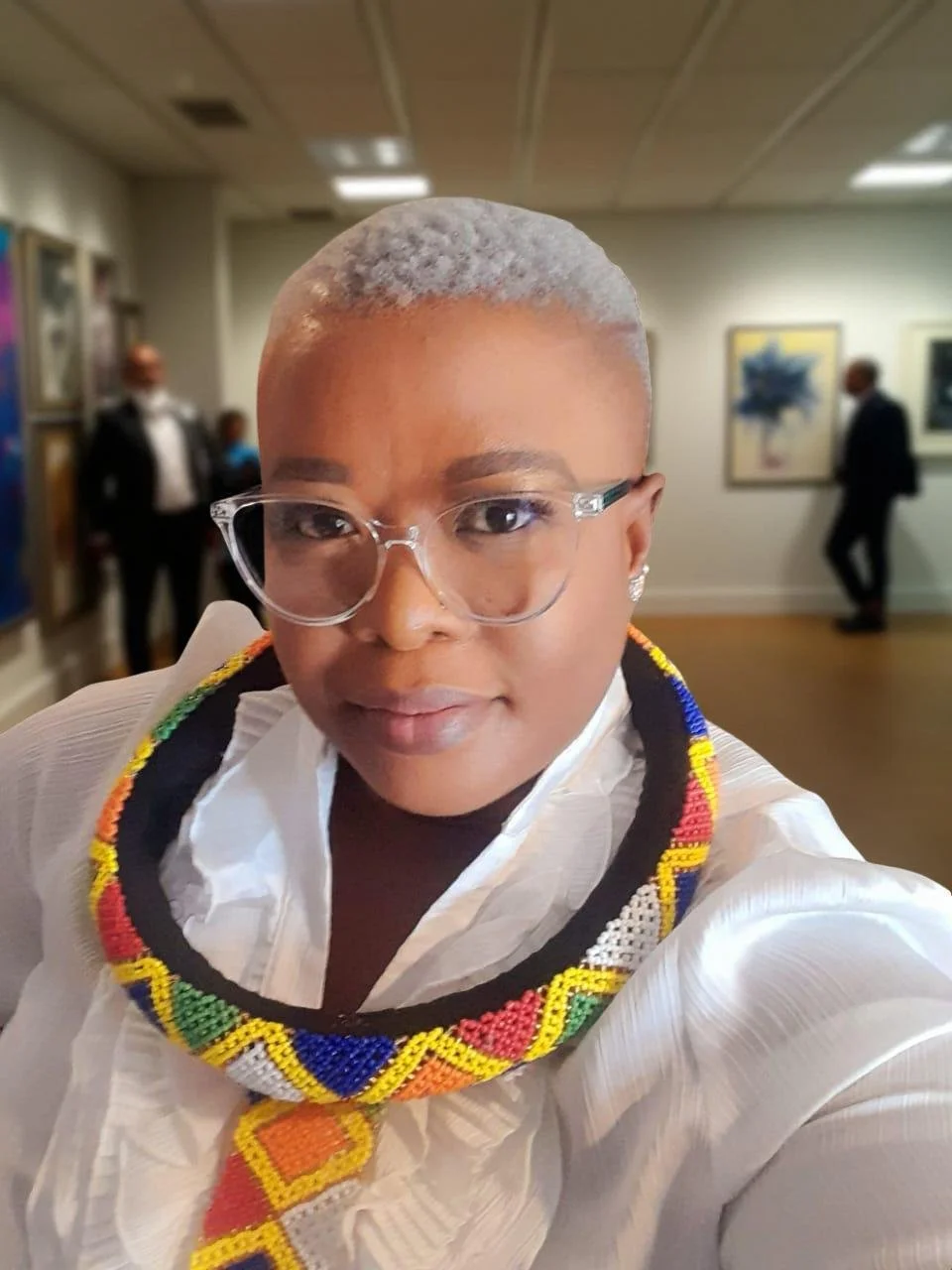
“As a South African woman joining this movement is critical because infertility remains a taboo subject in many of our communities. Culturally, motherhood is often tied to a woman’s identity and worth, and those who struggle to conceive are judged, questioned, or even rejected, especially in traditional families. I’ve personally experienced the isolation, the invasive questions, and the pressure to “try harder” or “pray more,” as though infertility is a failure of faith. This movement gives us language, validation, and solidarity. It’s a chance to represent the unique challenges we face in South Africa and to remind others that we, too, deserve compassion and care. 

— Mapula Ndou
Videos
Listen Up

Explore a curated collection of audio moments—from interviews to soundscapes—designed to inform, inspire, and engage.

Meet Our Ambassadors in Africa

  • “In Nigeria, infertility is often misunderstood—especially for women. It’s time to break the silence, challenge the shame, and recognize infertility for what it truly is: a medical condition, not a moral failure. We need more awareness, access, empathy, and support—and a complete shift in how we talk about it."

    — Ola Taiwo

  • “As a South African, I have witnessed first hand how women are on the receiving end of all the blame, when a couple is diagnosed with infertility, no matter the diagnosis.. All this stigma and blame can cease, with global voices and education, that is why joining this movement is important to me.”

    — Saskia Williams

  • "In Kenya, access to fertility treatment is still limited and largely unaffordable for many. Public discourse around infertility is minimal, and support systems are scarce. Through Waiting Wombs Trust, we’ve seen first-hand how education, storytelling, and peer-led support can change lives—but there’s still so much work to be done. Movements like this help push that work forward."

    — Editah Hadassa

  • "Being an agent of this movement will open a door of inclusivity to millions of South Africans, for them to truly feel that they are not the only one suffering from this disease and its associated disorders. It will bring a sense of belonging to women who’ve lost hope and need support in the face of ignorance & abandonment. This movement will help us reach so many under a common banner to live whole & healthy lives despite infertility."

    — Matshepo Segole

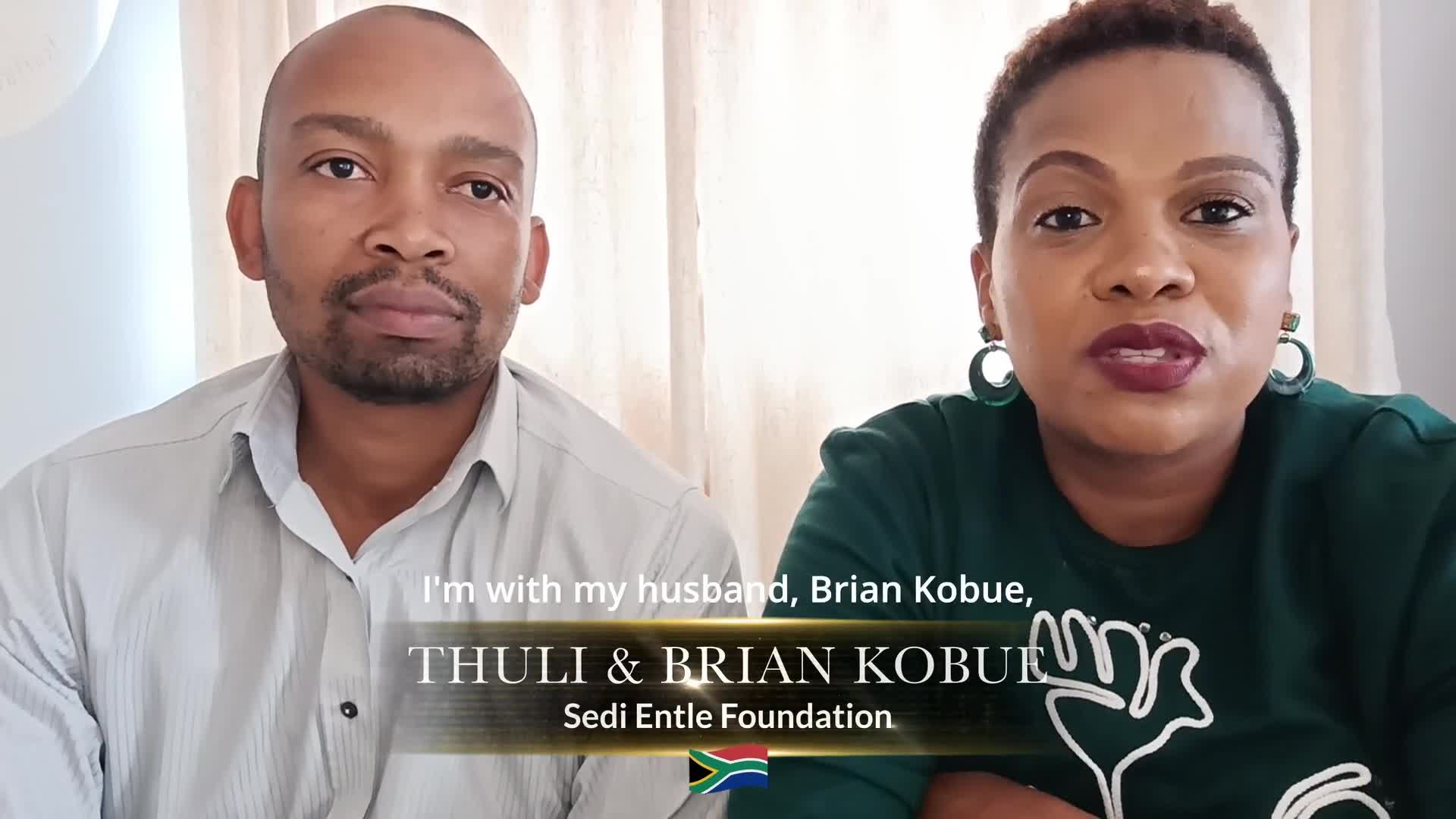
  • "In South Africa, we have limited movements addressing infertility. By joining, I hope to raise awareness and promote acceptance of infertility as a medical condition, not a personal failing. This is especially crucial in African cultures where women are often blamed when a couple struggles with infertility. We need to educate the community and get more men to undergo tests because infertility can affect any gender.By sharing our stories, we can create a more supportive community."

    — Thulisile Kobue

  • In much of the African continent infertility is still heavily stigmatised and often misunderstood. Cultural expectations around womanhood, masculinity, and parenthood can make infertility an isolating and emotionally damaging experience. Access to fertility care is limited for many, and misinformation is widespread. Joining this movement gives us the opportunity to reframe the narrative: to show that infertility is a medical condition, not a moral failing, and that everyone deserves respectful, affordable, and informed care."

    — Lebo Moatshe

Interested in getting involved with World Fertility Project in Africa?

Do you live in Africa and have a fertility or family building journey you’d like to share?

Email us at worldfertilityawards@pregnantish.com to share your story.

*Feel free to send in your native language, or English!